

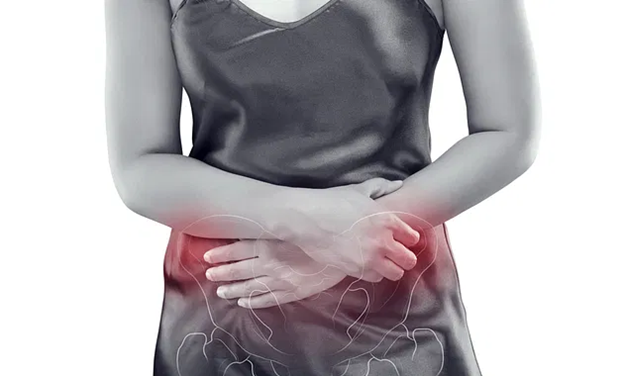
Excision surgery is the gold standard for removing Endometriosis lesions, but for some individuals, the pain doesn’t fully disappear. This can be frustrating and confusing, especially after undergoing a major procedure. The reason this happens is that Endometriosis doesn’t just affect the tissue—it also impacts the nerves. Even after the lesions are gone, the nerves may continue to send pain signals, leading to neuropathic pain. Unlike pain caused by active disease, neuropathic pain originates from the nervous system itself.
Why Does This Happen?
Endometriosis can change the way nerves function over time, making them hypersensitive or overly reactive. As a result, pain can persist even when there is no active disease present. Several factors contribute to this:
- Nerves stay in "pain mode": The nervous system can become overly sensitive, reacting to normal sensations as if they were painful. This is called central sensitization, where the brain and spinal cord amplify pain signals.
- Inflammation and scar tissue: Long-term inflammation from Endometriosis can cause irritation and damage to nearby nerves. Additionally, scar tissue formed after surgery can sometimes trap or irritate nerves, keeping them in a heightened state of activity.
- Nerve pathways become overly responsive: Once nerves are exposed to chronic pain, they can continue misfiring, even after the initial cause is gone. This can lead to pain spreading to other areas, sometimes beyond where Endometriosis was originally found.
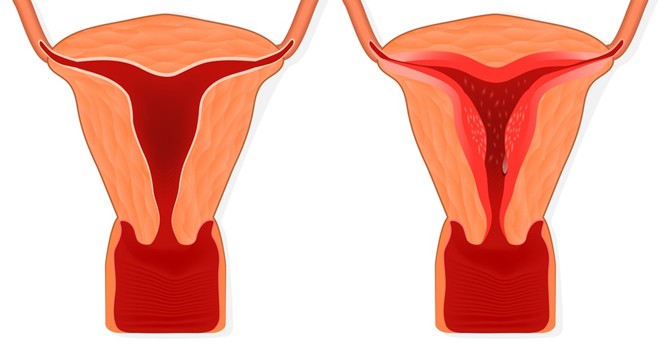
Managing Neuropathic Pain
Because neuropathic pain originates in the nervous system, it often requires a different treatment approach compared to pain caused by active Endometriosis. Some potential management options include:
- Nerve pain medications: Traditional pain relievers may not work well for neuropathic pain. Instead, specific medications like neuropathic pain relievers or anti-inflammatory drugs may help reduce nerve sensitivity.
- Pelvic physiotherapy: Physical therapy designed for pelvic pain can help retrain the nervous system, reduce muscle tension, and improve mobility, which can gradually lessen pain signals.
- Neuromodulation therapies: Treatments such as nerve blocks or electrical nerve stimulation techniques can help disrupt the pain signals, offering relief for some individuals.
Recognizing neuropathic pain is essential for finding the right treatment and improving long-term quality of life. If pain persists after excision surgery, consulting a specialist who understands nerve-related pain can help identify the best course of action. With the right approach, it is possible to manage this pain and regain comfort in daily life.